
CraftCourses is the UK's leading marketplace for independent craft workshop providers — 6,000+ makers, B Corp certified, and the platform with the strongest rural and regional coverage outside London. If you run craft workshops in the UK and aren't listed, here's what you need to know.
What CraftCourses is (and who it's for)
CraftCourses positions itself as the platform for independent makers who teach — as distinct from ClassBento, which leans toward commercial studios in major cities. If you're a working potter, blacksmith, basket maker, or textile artist who also runs workshops, CraftCourses is your primary platform.
The platform is B Corp certified (score 83.8) and takes deliberately lower commissions than the market leader (~15% vs ClassBento's ~20%) as part of its commitment to maker welfare. It's used by both hobbyist learners and people looking for professional-level instruction.
How the economics work
There is no upfront fee to list. CraftCourses takes approximately 15–18% commission on bookings made through the platform. You only pay when you receive a booking — there's no monthly subscription or listing fee.
For comparison: ClassBento charges approximately 20% commission. Selling tickets directly (your own website + Stripe or PayPal) costs roughly 1.5–3% in payment processing fees but requires you to drive your own traffic, which is the main reason platforms are worth their commission for most providers.
What you need before applying
Before starting your CraftCourses application, have the following ready:
- Public liability insurance — minimum £2 million PLI required. CraftCourses will ask for your certificate.
- Course photos — at least 3–5 high-quality images showing the workshop setting, the craft process, and finished pieces. Natural light, no flash. This is the single biggest factor in listing performance.
- Course description — what students will learn, what they'll make, what's included in the price, and what level of experience is required.
- Pricing and availability — per-person price, minimum and maximum group size, and your available dates or session structure.
- Your maker biography — your background, how long you've been working in the craft, any relevant training or recognition.
How to optimise your listing
Photos are everything
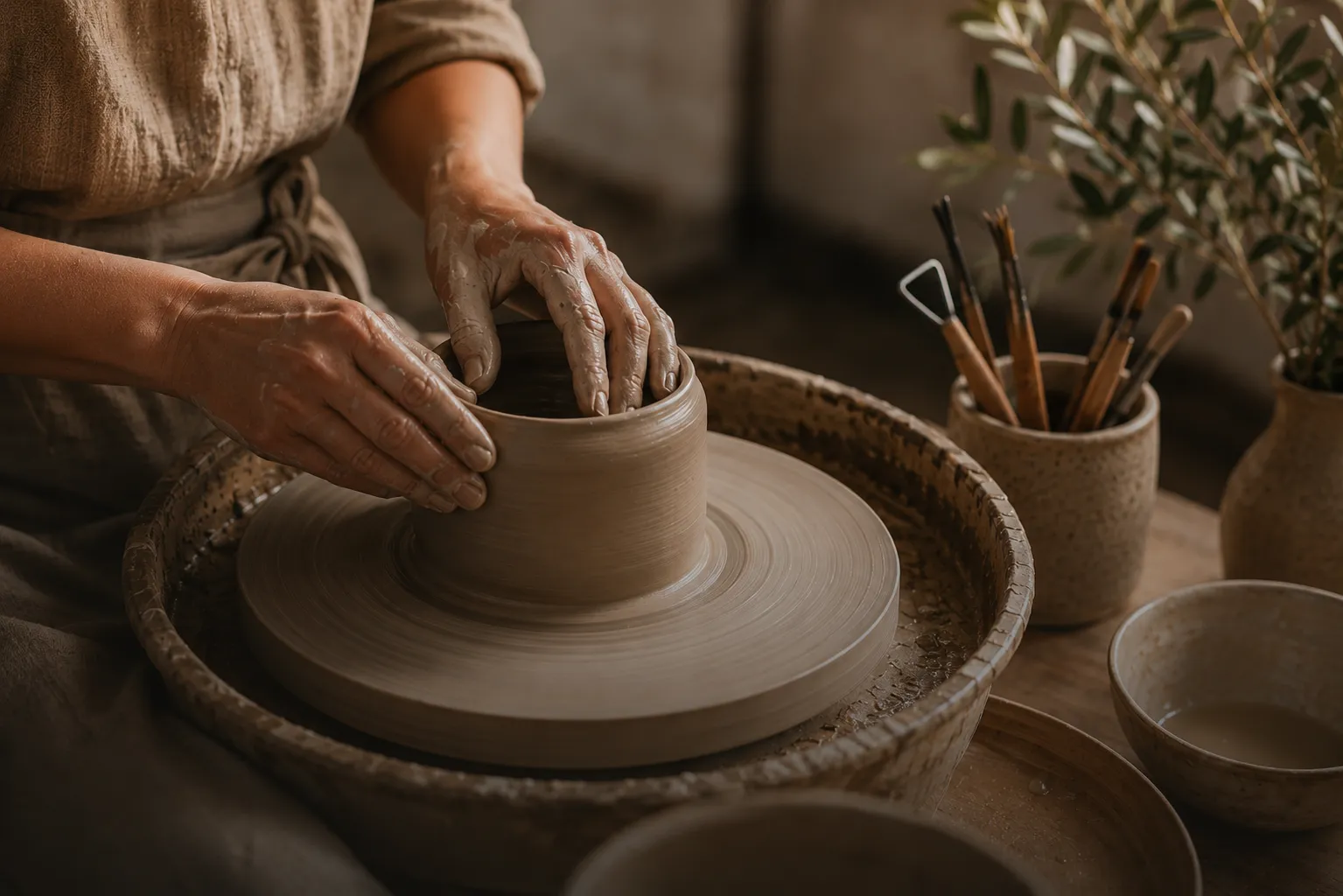
Listings with strong photography convert significantly better than those without. The top listings on CraftCourses share: good natural light, action shots of people making (not just finished pieces), and at least one image showing the workshop environment. Phone cameras are fine — lighting and composition matter more than equipment.
Write the description for a gift buyer, not just a learner
A significant proportion of craft workshop bookings in the UK are made as gifts. Write your description so it reads well to someone who has never done the craft — emphasise what they'll experience and take home, not just the techniques they'll learn. "You'll make a hand-thrown bowl to take home" lands better than "Introduction to wheel throwing and basic centering technique."
Include specific pricing and what's included
Listings that clearly state what's included in the price (materials, firing, tools, a drink on arrival) convert better than vague pricing. "All materials included — no hidden costs" is worth stating explicitly because it answers the question every prospective booker has.
Get your first reviews quickly
New listings with no reviews convert poorly regardless of description quality. In your first month, ask every participant to leave a CraftCourses review directly after their session. A follow-up email 24 hours after the class with a direct review link is the most effective approach.
CraftCourses vs ClassBento — should you list on both?
For most UK workshop providers, listing on both is the right approach — they attract meaningfully different audiences. CraftCourses brings craft enthusiasts, learners, and people outside major cities; ClassBento brings urban gift-buyers, hen party groups, and one-off taster seekers. Managing availability across both requires care to avoid double-booking, but the additional reach is usually worth it.
Hobbify's B2B provider section
Hobbify also lists UK craft workshop providers directly. If you'd like to be featured in our curated course recommendations — which appear on craft hub pages and in gift guides — you can apply via our provider enquiry form. We're particularly looking for providers in underserved regions and crafts.