The short answer
The best craft hobby for most UK adults is crochet — it’s cheap (about £16 to start), forgiving, and you can finish something real in a weekend. But “best” depends on what you want from it. If you’d rather make something useful for the home, try candle making or sewing. If you want calm and quiet detail, try embroidery. Below are nine craft hobbies that are genuinely beginner-friendly in the UK, with honest costs, how hard each one really is, and how to start.
In this piece
- How to choose a craft hobby
- Crochet — the best all-rounder
- Knitting — for things you’ll wear
- Embroidery — calm, detailed and cheap
- Candle making — fast, useful results
- Sewing — the most practical craft
- Macramé — big impact, few knots
- Pottery — hands-on and grounding
- Jewellery making — small, giftable wins
- Needle felting — sculpting with wool
- What to try next
How to choose a craft hobby
Don’t start by asking which craft is “best.” Start with three honest questions:
- What do you want at the end? A wearable jumper points you to knitting; a shelf of candles points to candle making; a finished picture points to embroidery.
- How much space and mess can you live with? Crochet and embroidery fit in a tin on the sofa. Pottery and candle making need a wipeable surface and a bit of setup.
- Do you want quick wins or a slow ritual? Some crafts reward you in an hour; others are a calm habit you return to over weeks.
A quick word on cost: nearly every craft here starts under £30, and several under £20. Craft kits for adults — where the tools and materials come boxed together — are a popular low-risk way in, and most of the crafts below have a beginner kit you can buy for the price of a couple of takeaways.
Crochet — the best all-rounder
Cost to start: about £16 · Difficulty: beginner · Best for: blankets, bags, toys, homeware
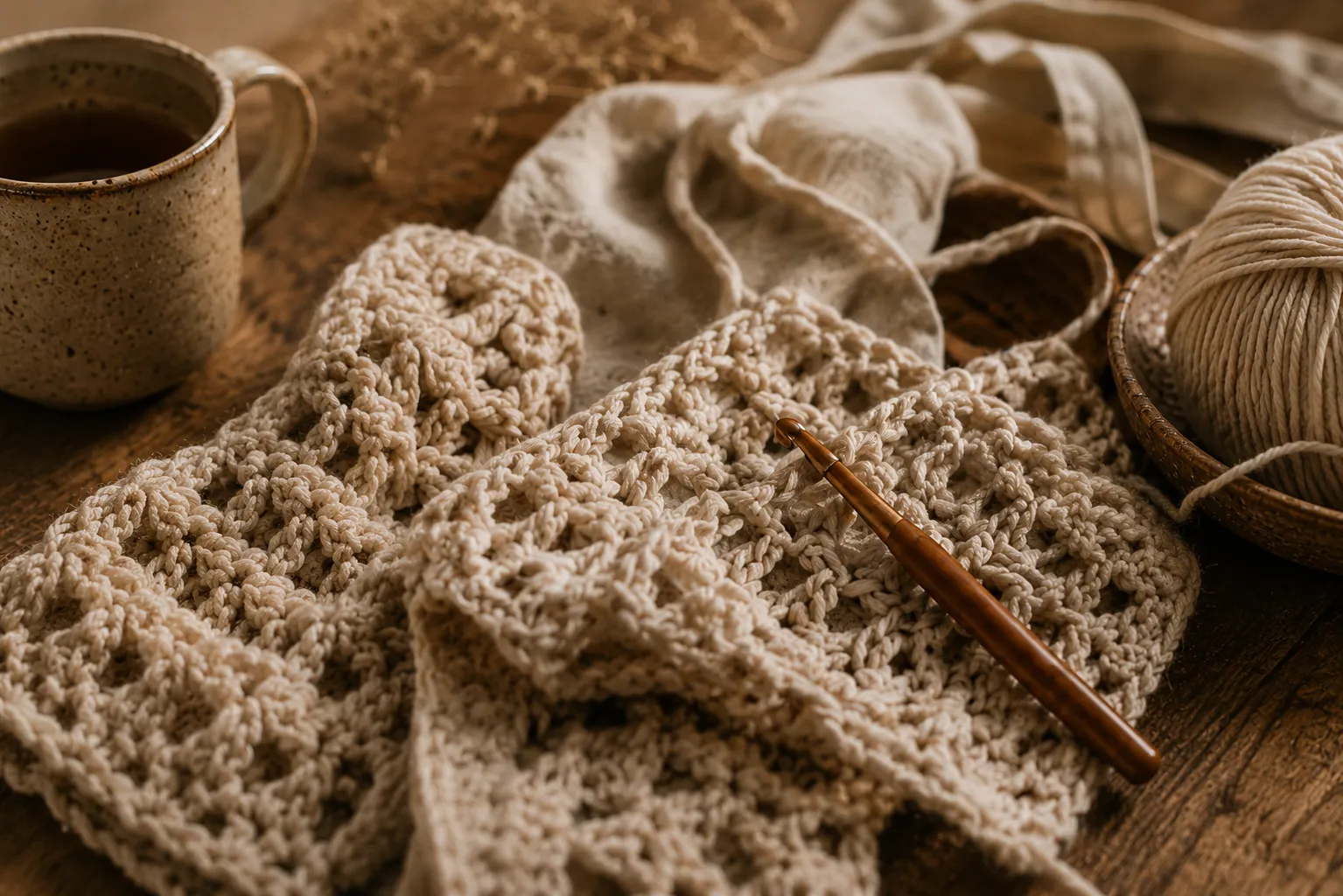
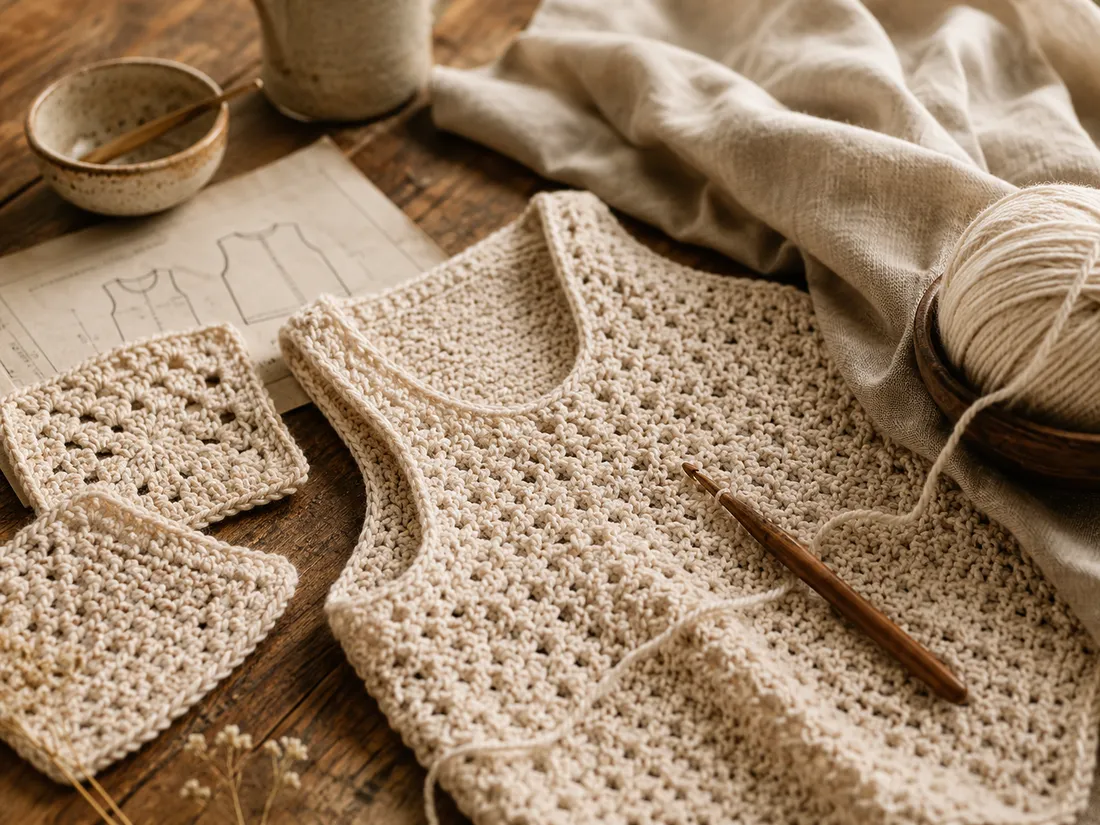
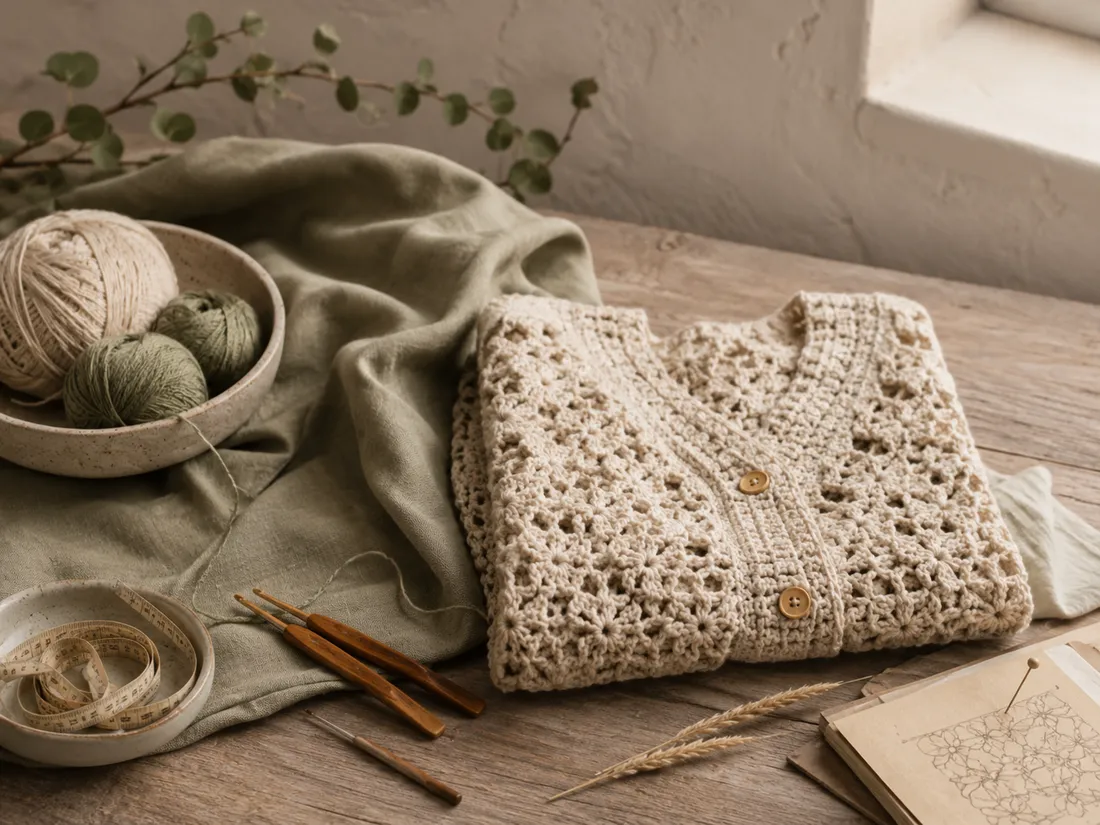
Crochet is the craft we recommend most often, and it’s the one most UK beginners reach for. You work with a single hook and one live loop of yarn at a time, so if you go wrong you simply pull the yarn and it unravels neatly back to where you stopped. Nothing runs away from you.
A starter kit is around £16: one 5mm hook (~£8.50), a ball of DK yarn (DK is a medium UK yarn weight, £2.80), and locking stitch markers (£4.99). Within an hour you’ll have a chain and a few rows; by the end of a weekend, a finished dishcloth or coaster.
How to start: learn the chain, then single crochet, then double crochet. Make a small square first to find your tension before committing to a project.
Knitting — for things you’ll wear
Cost to start: about £18 · Difficulty: beginner · Best for: jumpers, socks, scarves, anything that needs to stretch
Knitting uses two needles and keeps every stitch “live” until you bind off (finish) the piece. The first 30–60 minutes feel awkward, but once the knit stitch clicks the learning curve gets gentle fast — there are really only two core stitches, knit and purl.
A kit is roughly £18: a pair of 6mm circular needles (~£9.99), a ball of aran yarn (aran is a touch chunkier than DK, ~£2.50), and markers plus a tapestry needle. Knitting is slower than crochet stitch for stitch, but knitted fabric stretches and drapes against the body in a way crochet can’t match — which is why it wins for clothing.
If you’re torn between the two, our full crochet vs knitting comparison breaks down which to learn first.
Embroidery — calm, detailed and cheap
Cost to start: about £12 · Difficulty: beginner · Best for: hoop art, lettering, mending, personalising clothes
Embroidery is the quietest craft on this list and one of the cheapest. You stitch a design onto fabric stretched in a hoop, building it up from a handful of basic stitches — back stitch, satin stitch and the French knot will carry you a long way.
A starter kit is about £12: a wooden hoop, an embroidery needle, a few skeins of stranded cotton thread, and a printed cotton to follow. There’s no electricity, no machine and almost no space needed — a biscuit-tin’s worth of kit covers months of projects.
How to start: buy a printed beginner kit so the design is already on the fabric. That lets you focus on the stitches, not the drawing.
Candle making — fast, useful results
Cost to start: about £25–30 · Difficulty: beginner · Best for: gifts, home scents, quick wins
Candle making is the craft for people who want a finished, useful object the same afternoon. You melt wax, add fragrance and a wick, pour into a container and wait for it to set. It’s one of the most-searched crafts in the UK for good reason — the results look shop-bought quickly.
A beginner kit runs about £25–30: soy wax flakes, pre-waxed wicks, a fragrance oil or two, and a few tins or glass jars. You’ll also want a heatproof jug and a thermometer (pour temperature matters — too hot and the scent burns off).
How to start: use soy wax and follow the fragrance load on the packet (usually 6–10%). Pour a single small tin first before scaling up to gifts.
Sewing — the most practical craft
Cost to start: about £20 by hand, more with a machine · Difficulty: beginner to intermediate · Best for: repairs, tote bags, simple clothes, home furnishings
Sewing is the most genuinely useful craft you can learn — it pays for itself the first time you take up a hem or fix a split seam instead of binning a garment. You can start entirely by hand: a needle, thread, pins, fabric scissors and a tape measure come to about £20.
A basic sewing machine (from around £80–120 new) speeds things up enormously once you’re hooked, but it isn’t needed to begin. Start with straight seams on cotton, make a simple drawstring bag or cushion cover, then move on to clothing patterns.
Macramé — big impact, few knots
Cost to start: about £15 · Difficulty: beginner · Best for: plant hangers, wall hangings, keyrings
Macramé is knotted cord, and the surprise is how much you can make from just two or three knots — the square knot and the half-hitch do most of the work. A plant hanger or a small wall hanging is a realistic first project.
A starter kit is about £15: a few metres of 3mm cotton cord, a wooden dowel or ring, and a pair of scissors. It’s a satisfyingly tactile, low-cost craft, and a finished piece looks far more complex than it was to make.
Pottery — hands-on and grounding
Cost to start: £30+ at home, or a class · Difficulty: intermediate · Best for: bowls, mugs, planters
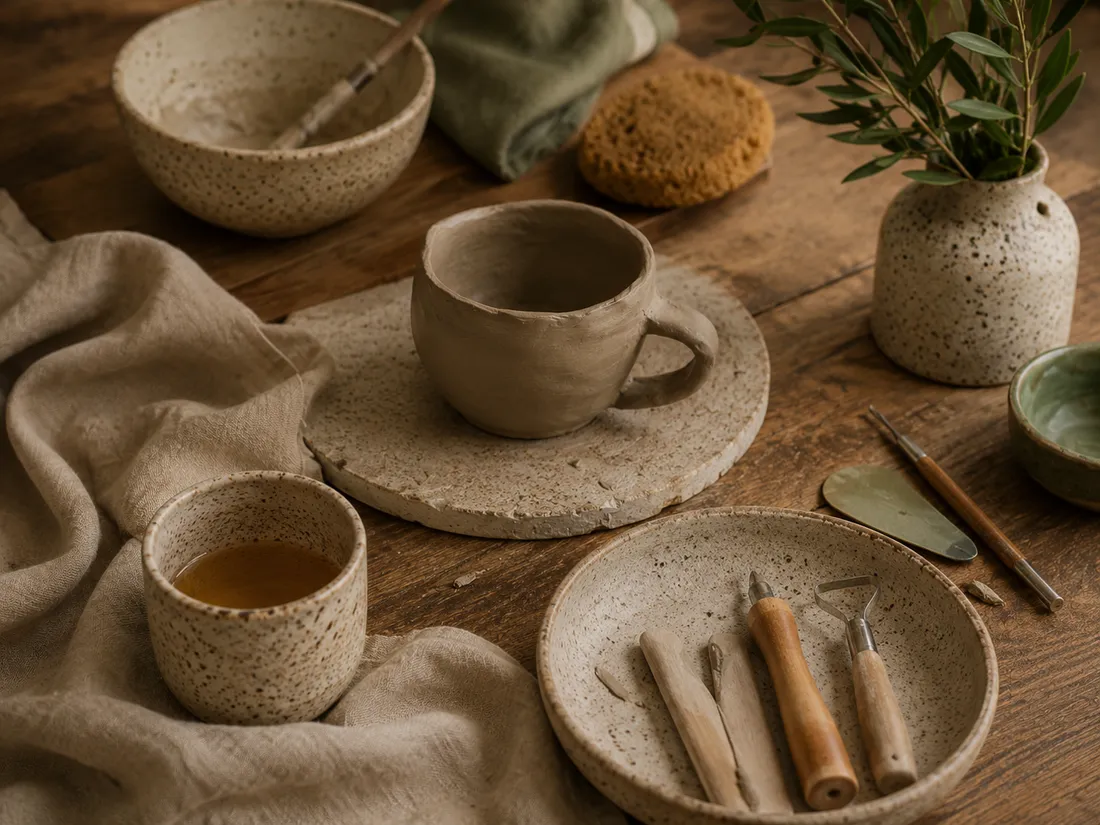
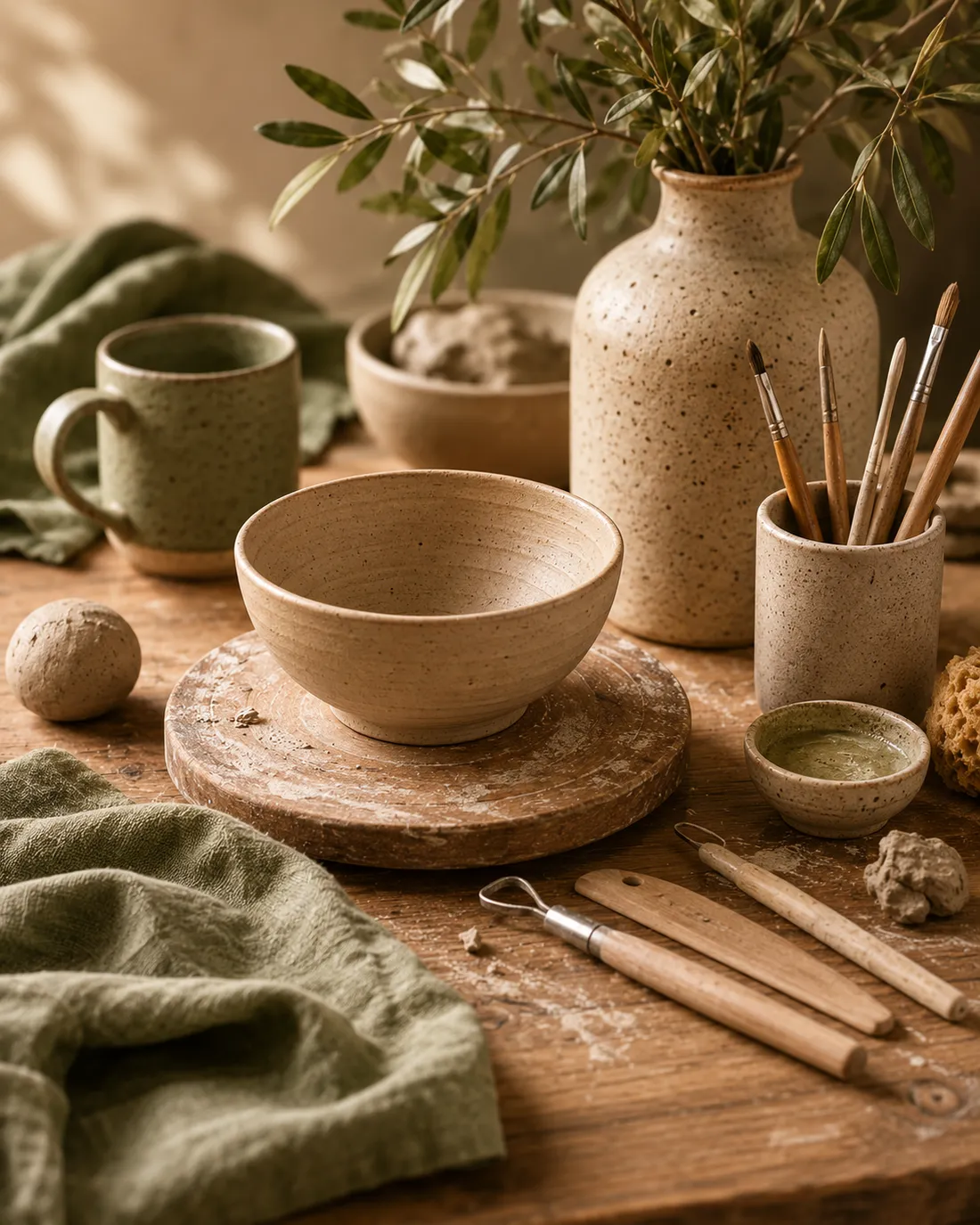
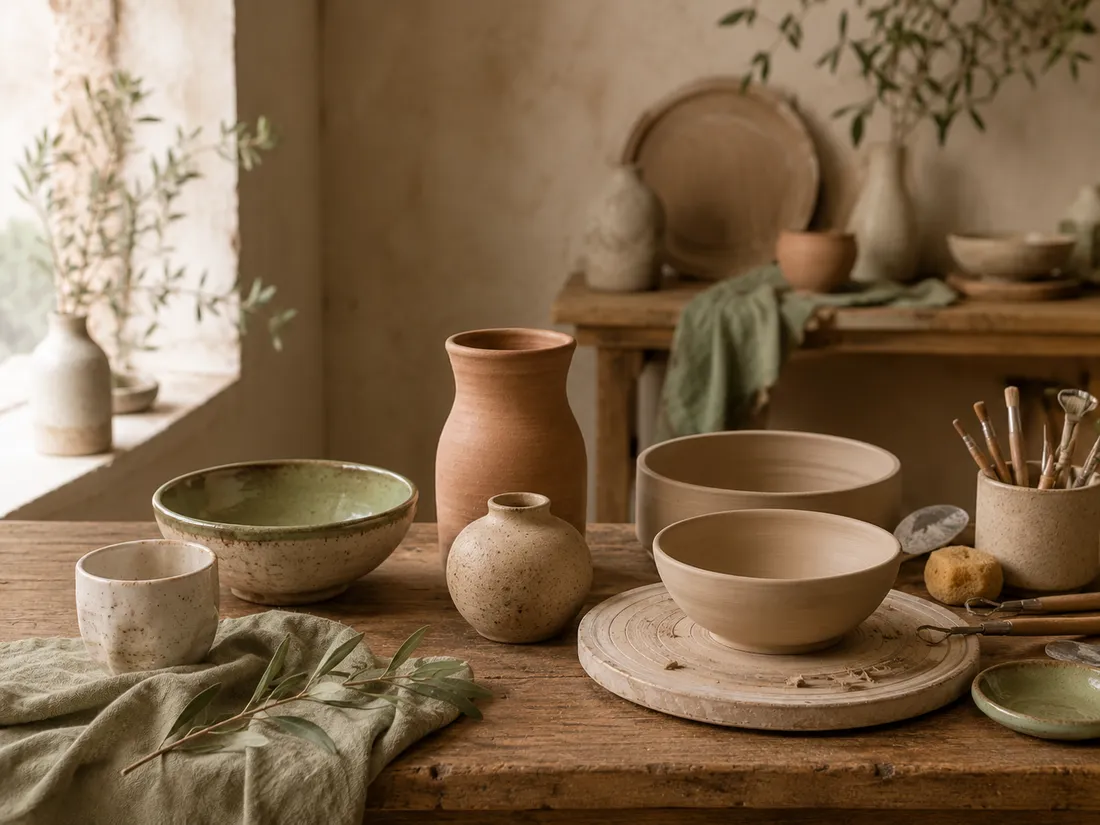
Pottery is the most physical, grounding craft here — many people find working clay genuinely calming. The honest catch is the kit. To fire your work you need a kiln, which most beginners don’t own, so the usual route is air-dry clay at home (a £15–20 bag plus a few simple tools) for decorative pieces, or a local pottery class for anything you want to use with food and drink.
How to start: begin with hand-building (pinch pots and coil pots) before the wheel — the wheel has a much steeper learning curve than it looks on screen.
Jewellery making — small, giftable wins
Cost to start: about £20 · Difficulty: beginner · Best for: earrings, bracelets, necklaces, gifts
Jewellery making covers a wide range, but beaded and wire-based jewellery is the easy way in. With a beginner kit (around £20 — beads, jump rings, ear wires, and two pairs of pliers) you can make a pair of earrings in an evening. Pieces are small, quick and very giftable, which makes it a favourite for birthdays and Christmas.
How to start: master opening and closing a jump ring cleanly (twist it sideways, don’t pull it apart) — it’s the single skill that makes beaded jewellery look neat.
Needle felting — sculpting with wool
Cost to start: about £15–20 · Difficulty: beginner · Best for: small animals, decorations, brooches
Needle felting turns loose wool into solid shapes by repeatedly poking it with a barbed needle, which tangles the fibres until they hold. It’s oddly meditative, needs very little space, and a small animal or bauble makes a charming first project.
A kit runs £15–20 and includes wool tops, felting needles and a foam mat to work on (the mat protects your table — and your fingers). If you want help choosing one, see our guide to the best needle felting kits in the UK.
How to start: keep the wool wrapped tightly and the needle straight as you poke — bending the needle is how they snap.
What to try next
If one craft has caught your eye, the next step is simple: pick a single beginner kit or course and follow it all the way to one finished object. That first finished thing is what turns a curious afternoon into a hobby.
- Still deciding between the two most popular yarn crafts? Read crochet vs knitting: which should you learn first.
- Tempted by needle felting? Compare your options in the best needle felting kits in the UK.
- And whichever craft you choose, start small. A coaster, a single candle, or one beaded bracelet teaches you more than an ambitious project you never finish.