There’s a real body of evidence behind the idea that making things is good for you. But there’s also a lot of vague wellness-speak that overpromises what crafting can do. Here’s what the research actually says — and where the limits are.
See our dedicated guides: Crafts for anxiety · Crafts for low mood · Crafts & wellbeing hub
What the research shows
The most rigorous piece of work in this area is a 2016 systematic review published in the British Journal of Occupational Therapy (Riley et al.), which reviewed 29 studies on the mental health effects of knitting. Key findings:
- 81% of respondents in one study reported that knitting made them feel happier
- 54% reported it helped them manage their feelings and emotions
- Knitting was associated with reduced anxiety, depression, and chronic pain perception
- The bilateral, repetitive hand movement was hypothesised to produce effects similar to bilateral stimulation used in EMDR therapy
The Crafts Council’s 2022 “Craft and Wellbeing” report — based on survey data from several thousand regular workshop attendees — found:
- 82% reported improved wellbeing from regular craft participation
- 79% reported that craft helped them meet new people and reduce loneliness
- Craft workshops were increasingly being delivered as part of NHS social prescribing programmes
A 2023 review in Frontiers in Psychology on creative arts and mental health found consistent evidence for improved mood, reduced anxiety, and increased sense of competence across a range of craft and art-making activities.
What “the flow state” actually means
Psychologist Mihaly Csikszentmihalyi described “flow” as a state of total absorption in an activity — when the challenge level matches the skill level closely enough that you’re fully engaged and lose track of time. Craft activities are particularly good at producing this state because:
- They have a clear, concrete goal (finish the row, trim the pot)
- They give immediate feedback (the stitch either works or doesn’t)
- They scale in difficulty — you can always attempt something harder as you improve
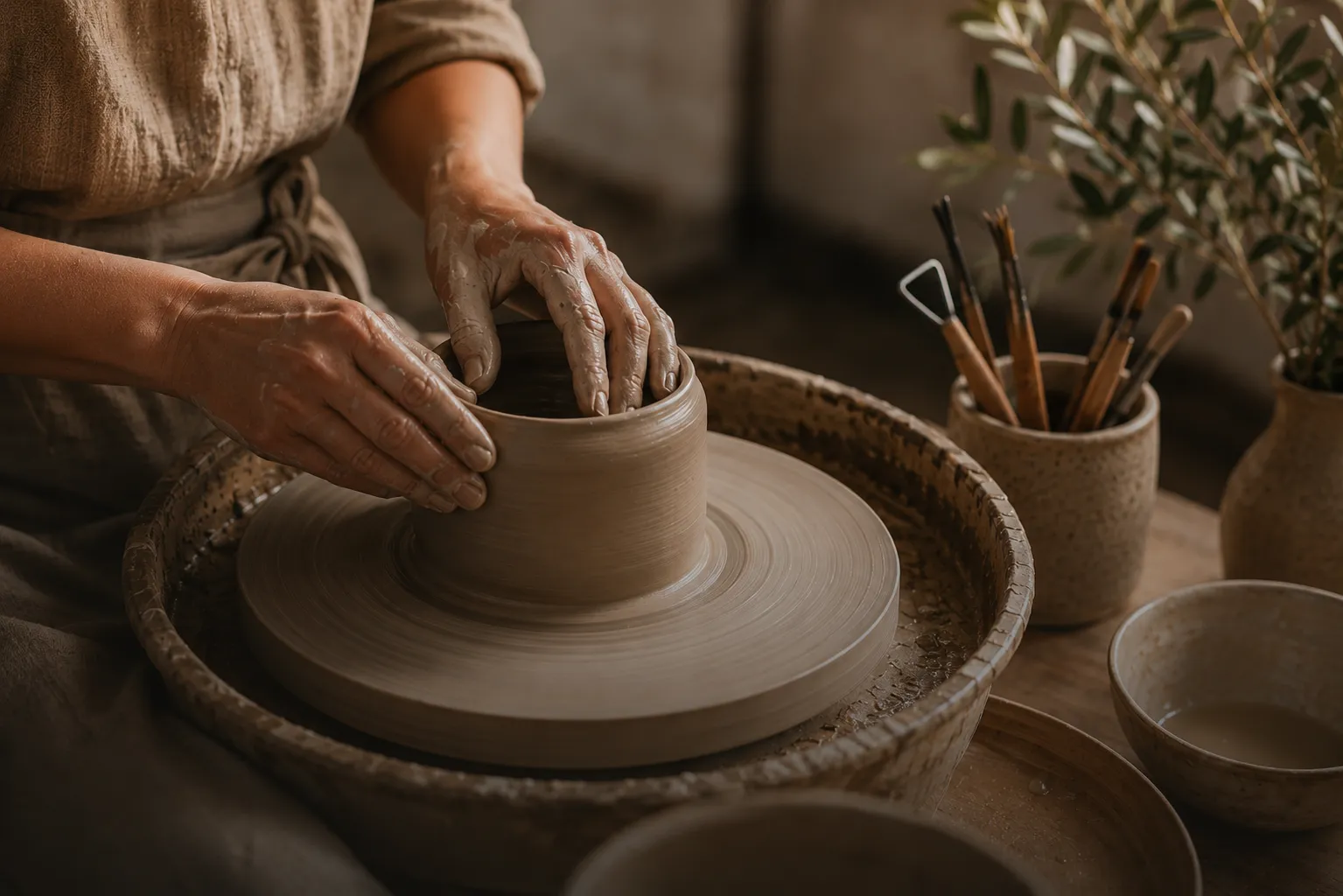
Pottery wheel throwing and knitting are most often cited for inducing flow in beginners. Glass blowing is described as almost uniquely absorbing — the immediacy of the material (it cools fast, you must act now) demands complete focus.
The limits — what crafting can’t do
It’s worth being clear about what the evidence doesn’t show:
- Crafting is not a replacement for therapy or medication for serious mental health conditions
- The wellbeing effects are real but modest — comparable to regular gentle exercise, not comparable to clinical intervention
- Group setting matters — much of the benefit in the research comes from the social element (doing craft with others), not just the making itself
- Consistency matters — a one-off workshop has smaller effects than a regular practice
If you are managing depression, anxiety, or another mental health condition with professional support, craft workshops are a genuinely useful complement. If you’re managing a crisis, they’re not where to start.
Craft and social prescribing
Since 2019, NHS England’s social prescribing programme has allowed GPs and link workers to refer patients to non-clinical community activities — including craft workshops — as part of their care plan. This is primarily targeted at patients experiencing:
- Loneliness and social isolation
- Low-level anxiety and depression
- Chronic pain where distraction and absorption are therapeutic
- Recovery from illness or bereavement
Some craft studios and CraftCourses providers work with social prescribing link workers directly. If your GP refers you, it’s worth asking whether any local studios accept referrals — the session may be subsidised or free.
Which craft for which need?
Different crafts tend to produce different effects based on the research and anecdotal evidence:
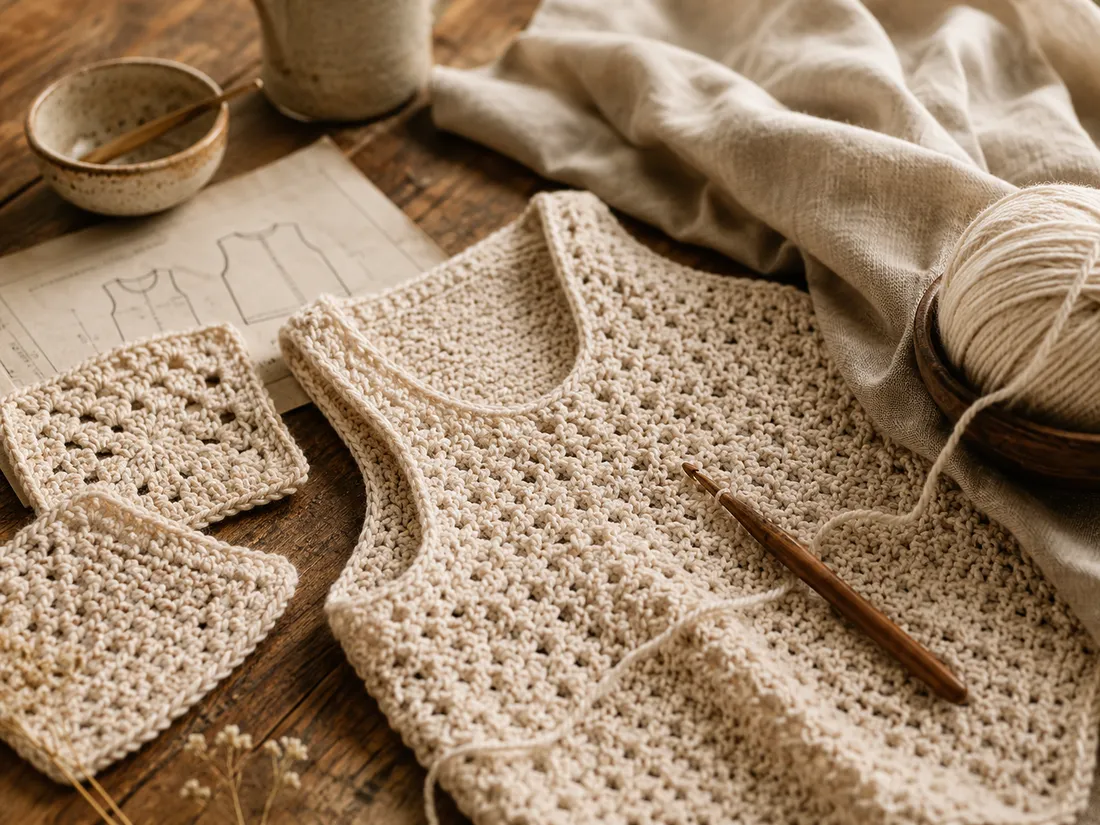
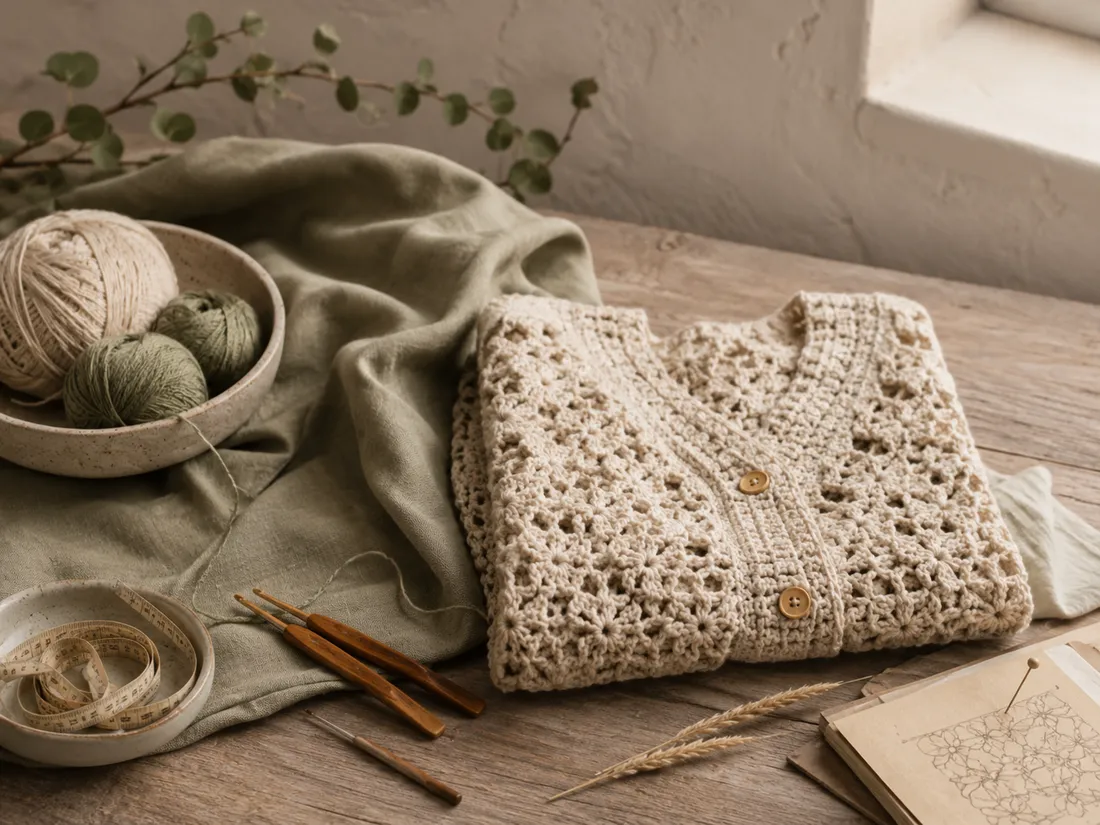
For anxiety and racing thoughts: Knitting and crochet — the repetitive bilateral movement is documented as calming. Something about the rhythm interrupts the anxiety cycle in a way that other crafts don’t.
Try it
Try a knitting or crochet workshop
Group classes from around £25 — a regular weekly session builds the rhythm that makes this effective.
via CraftCourses
For depression and low motivation: Pottery and glass blowing — both have a dramatic, immediate quality that is harder to disengage from than home-based crafts. The studio environment and group setting also help.
Try it
Try a pottery or glass blowing class
One-off tasters and 6-week courses available — the studio environment does a lot of the work.
via ClassBento
For chronic pain: Embroidery and fine needlework — the focused attention on detail is consistently reported to reduce pain perception (this aligns with what we know about how attention and pain interact neurologically).
For loneliness: Any group workshop, but particularly pottery evening classes and long-format courses — the 6-week pottery course model produces genuine friendships in a way that a one-off taster usually doesn’t.
Try it
Find a group pottery course near you
6-week evening courses are available in most UK cities — long enough to meet people and build a routine, not just learn a skill.
via ClassBento